What to Expect During a Professional Exterior Painting Project
Exterior painting is one of the fastest ways to transform your home’s appearance, increase curb appeal, and add a layer of protection against weather and environmental wear. While many homeowners imagine it as a simple process of applying a fresh coat of paint, a professional exterior painting project involves careful planning, preparation, and execution. Working with skilled local painters ensures the job is done efficiently and with attention to detail, producing results that last for years. Understanding each stage—from selecting a contractor to the final walkthrough—helps homeowners anticipate what’s involved, ask the right questions, and avoid surprises. By the end of this guide, you’ll know what to expect and how to collaborate effectively with your painters to achieve a beautiful, durable finish.
Choosing the Right Painting Contractor
The foundation of any successful exterior painting project is selecting the right contractor. Reliable local painters bring both experience and expertise to the table, which ensures the work meets high standards and lasts longer. Start by gathering recommendations from friends, neighbors, or colleagues who have completed similar projects. Online reviews and testimonials offer additional insight, but it’s important to verify their credibility and look for patterns in the feedback.
When choosing a contractor, consider their track record with projects similar in scope to yours. Some painters specialize in historic homes, others in modern materials, and some focus on eco-friendly paints or advanced coatings. Checking past projects and confirming certifications or memberships in professional associations demonstrates a commitment to quality and continued learning. Local painters who combine experience, professionalism, and innovative approaches provide homeowners with confidence that their investment is protected.
Equally important is interviewing multiple contractors. Ask about their approach to surface preparation, paint types, expected timelines, and contingency plans for weather or unexpected repairs. Transparent communication about pricing, payment schedules, and warranties ensures that you are aligned before work begins. Contractors who provide clear, honest answers and demonstrate responsiveness are more likely to deliver smooth, predictable results. By doing your due diligence at this stage, you set the tone for a successful and stress-free painting project.
Preparing Surfaces and Addressing Repairs
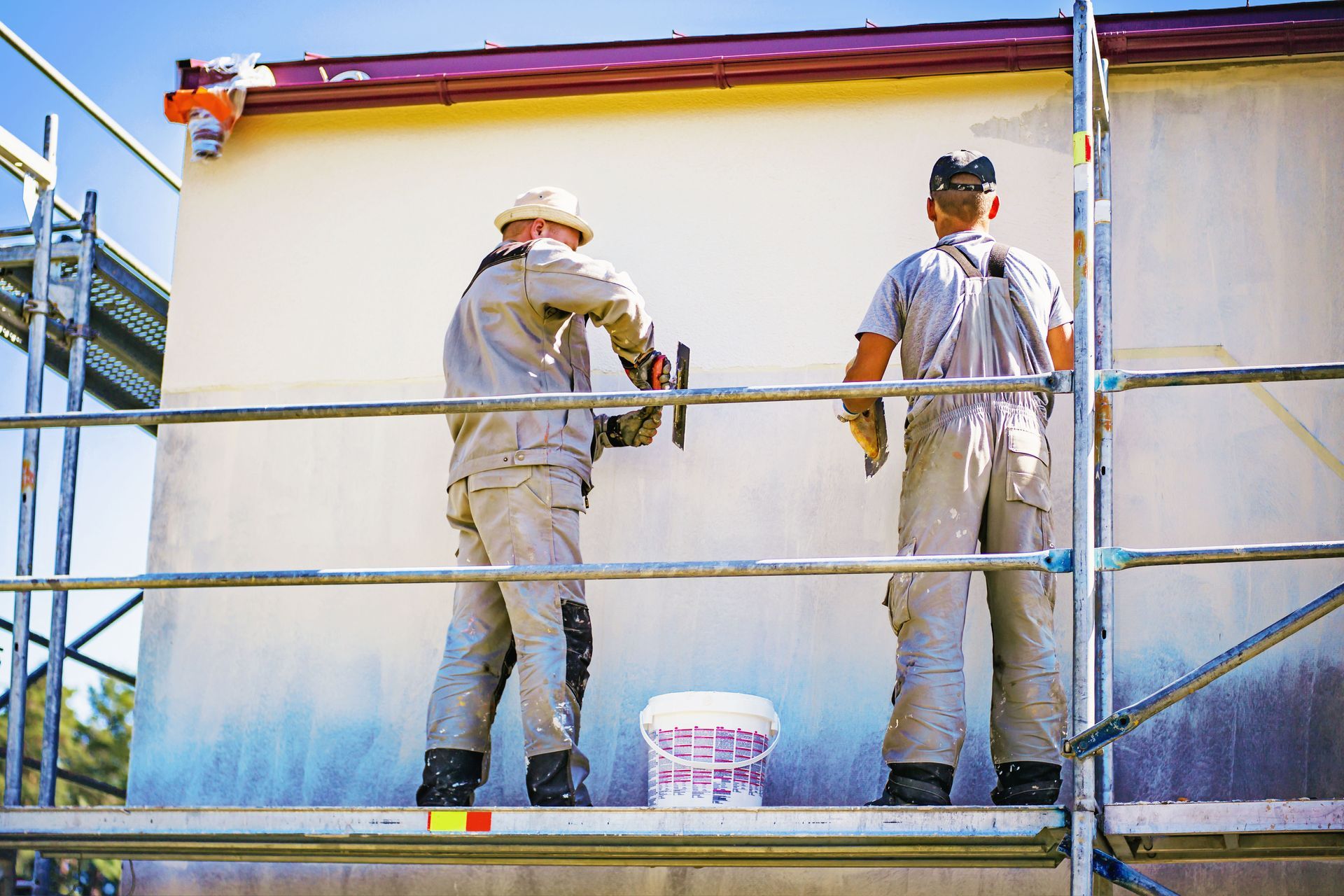
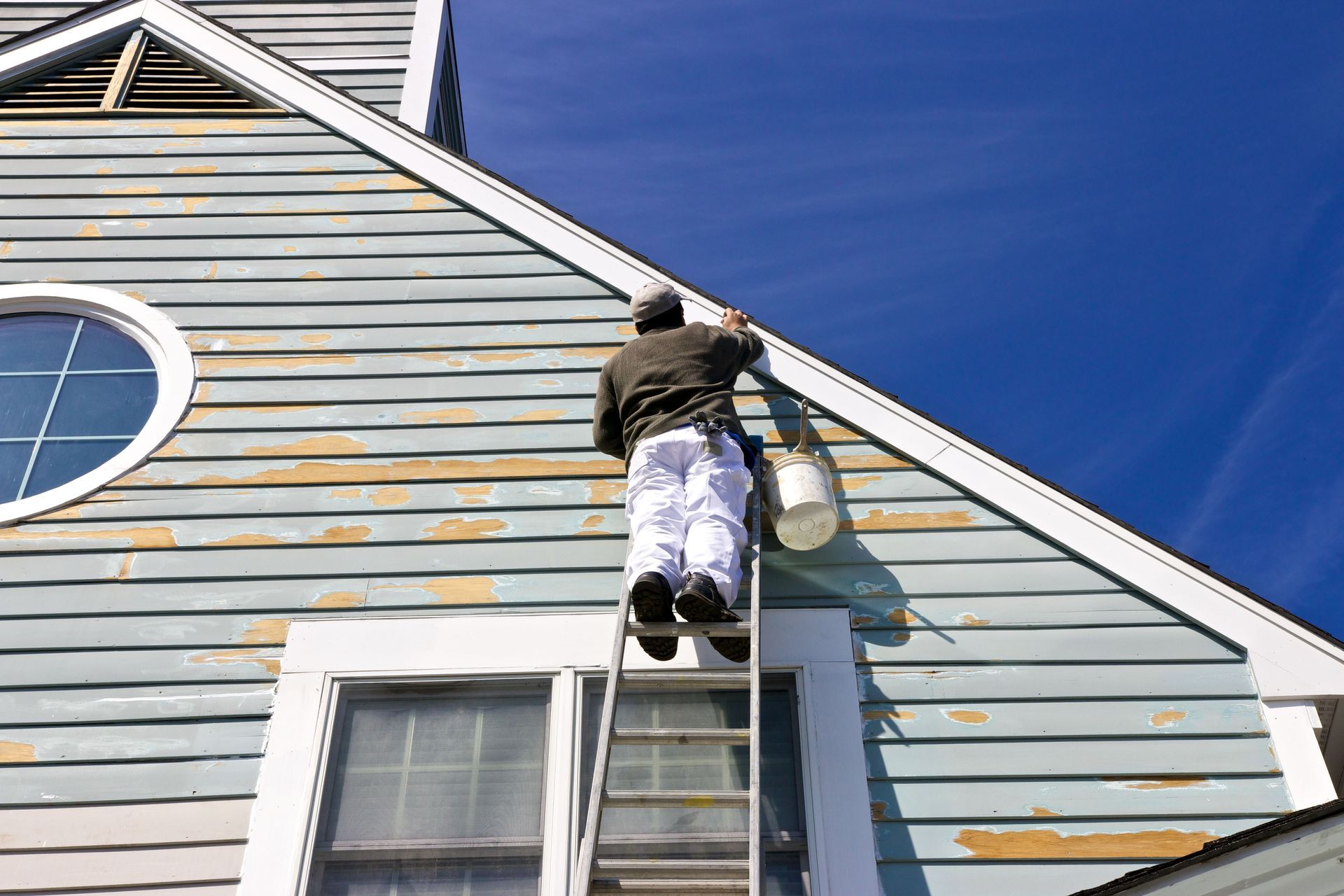
Preparation is arguably the most critical phase of exterior painting. Without it, even the best paint may fail to adhere or wear prematurely. Local painters begin by inspecting the exterior for cracks, peeling paint, wood rot, or failing caulking. Addressing these issues early prevents future problems and ensures a smooth, professional finish. Repairs may include replacing damaged siding, filling gaps, or sanding rough surfaces.
Once repairs are completed, surfaces are thoroughly cleaned to remove dirt, mildew, mold, and old paint residues. Techniques vary depending on the surface type, ranging from pressure washing to gentle hand scrubbing. Proper cleaning promotes adhesion, reduces imperfections, and ensures the new paint will look consistent and last longer. Scraping and sanding are also performed as needed to eliminate loose paint and create an even surface, which prevents bubbling or peeling after the final coat.
Investing time and effort in preparation pays off in the form of a durable, flawless paint job. Local painters prioritize this phase because it lays the groundwork for the entire project. Homeowners who understand the importance of surface preparation can appreciate the care and attention that goes into achieving professional results.
Applying Primer and Painting Surfaces
Applying primer is a critical step before the topcoat. Primer acts as a bonding layer, seals porous surfaces, blocks stains, and prevents color from bleeding through from previous layers. It also helps paint adhere evenly, creating a consistent, professional-looking finish. Local painters select primers based on the type of surface, exposure to weather, and the specific paint system being used.
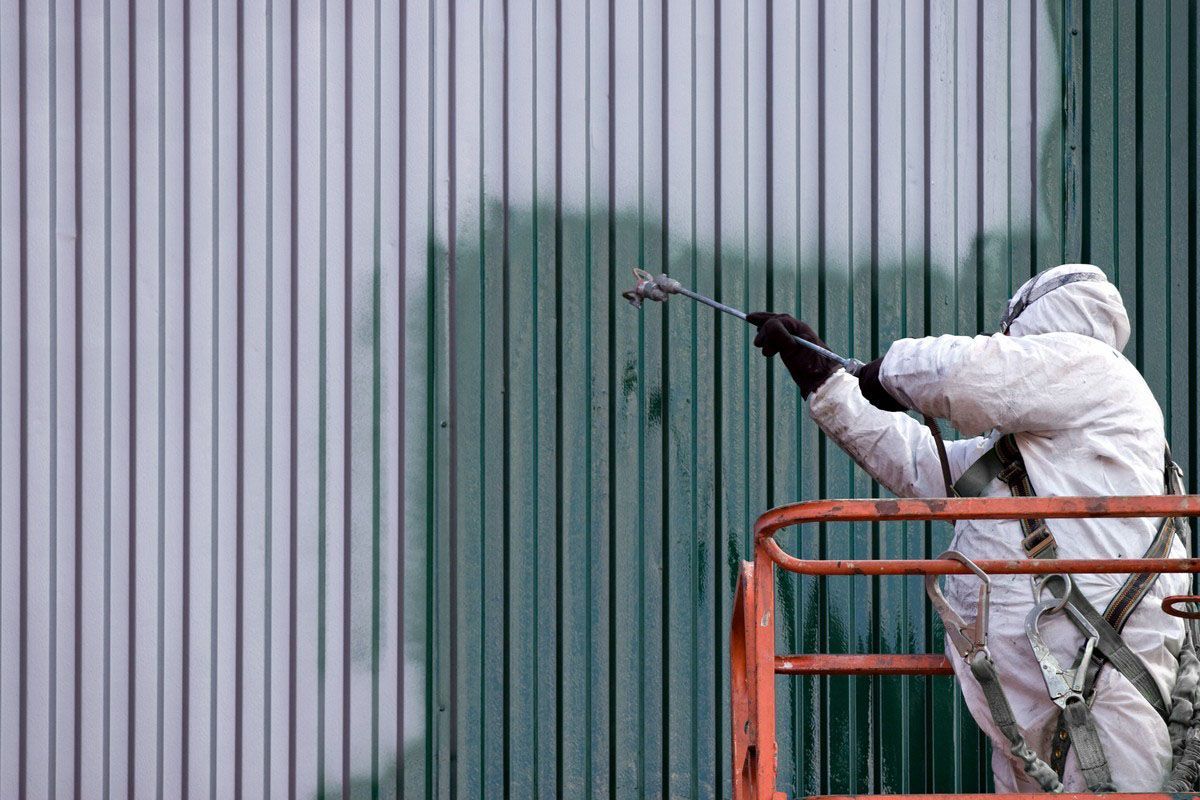
After priming, the painting process begins. Experienced contractors use techniques suited to each surface, whether brushes for trim, rollers for siding, or sprayers for large, flat areas. Proper application helps prevent streaks, drips, and uneven coverage. According to WillyHomes.com, exterior paint typically feels dry to the touch within one to two hours, but full curing can take two to three weeks or longer depending on the type of paint and environmental conditions. Being aware of this timeline allows homeowners to plan appropriately and avoid issues like premature contact or washing of freshly painted surfaces.
Each coat is applied with attention to detail, ensuring smooth coverage and vibrant, even color. Local painters often allow time between coats to ensure proper bonding and optimal durability. Their expertise ensures the paint withstands weathering, fading, and environmental stressors, resulting in a finish that enhances the home’s appearance and value.
Selecting Paint and Coordinating Colors
Choosing the right paint and color is as important as the painting process itself. Paint types vary, with latex (water-based) and oil-based options offering different benefits. Latex paints are popular for their flexibility, faster drying, and minimal environmental impact, while oil-based paints provide a durable, glossy finish ideal for high-traffic areas or surfaces prone to wear. Specialty paints may include UV protection, mildew resistance, or thermal insulation properties.
Color selection should balance personal preference with the home’s architectural style and neighborhood context. Local painters can provide guidance on color schemes that enhance curb appeal while maintaining harmony with surroundings. Coordinating trim, shutters, doors, and accent elements ensures a cohesive and professional look. Sampling colors on small sections of the home can help visualize the final result before committing to full-scale application, reducing the risk of disappointment.
Paint quality and finish also play a role in durability. High-grade paints resist fading, peeling, and cracking, especially in extreme weather conditions. Local painters who recommend and apply premium products help maximize the longevity of your exterior investment, keeping the home vibrant and protected for years.
Ensuring Quality and Managing Timelines
Maintaining quality while adhering to project timelines requires careful planning and coordination. Local painters schedule work to account for weather, drying times, and surface preparation, ensuring no steps are rushed or skipped. Regular progress updates keep homeowners informed, allowing adjustments or decisions to be made promptly.
Experienced contractors anticipate challenges such as unexpected repairs or environmental conditions. Addressing these promptly prevents delays and ensures the project stays on track without compromising quality. Homeowners who communicate openly with painters can resolve minor issues quickly, fostering a smoother workflow. By combining skill, planning, and adaptability, local painters deliver reliable, long-lasting results that enhance home value.
Conducting Final Walkthroughs and Follow-Up
The final walkthrough is essential to confirm that every detail meets expectations. Local painters inspect all surfaces for coverage, uniformity, and finish quality, performing any touch-ups required. Homeowners can address questions, confirm satisfaction, and review any remaining maintenance recommendations.
Contractors also provide guidance on extending the paint’s lifespan, including cleaning routines, touch-ups, and seasonal inspections. Following these instructions helps maintain the appearance and durability of the exterior. Providing feedback or testimonials supports quality painters in your community and strengthens the contractor-homeowner relationship for future projects. A thorough final walkthrough ensures peace of mind and completes the professional painting experience.
A professional exterior painting project combines careful planning, skilled local painters, and attention to detail to achieve a beautiful, long-lasting finish. From selecting the right contractor to surface preparation, priming, painting, color selection, and final inspection, understanding each stage allows homeowners to collaborate effectively and enjoy a stress-free process. Investing in quality workmanship ensures your home is protected, visually appealing, and ready to withstand years of environmental exposure. Contact All Star Painting to bring your exterior painting vision to life with confidence and professional results.
Share On: